Crus & Amala
The word Cru in Crus refers to a designated vineyard or wine-growing area recognized for its quality. Amala, in Sanskrit, signifies purity. Together, they embody our commitment to wines of excellence - sourced with integrity and rooted in meaningful relationships.
Our Mission
We are importers and distributors of exceptional European wines to emerging markets across Africa, starting with Rwanda, Kenya, South Africa, and Côte d’Ivoire.
We partner with dynamic winemakers whose values and craftsmanship we deeply admire. Rooted in integrity, relationships, and a genuine love for wine, our mission is to bring high-quality, thoughtfully made wines to new audiences across the continent.
We choose our partners with care, seeking out domaines whose values mirror our own - where quality, terroir-driven wines, and authenticity are non-negotiable.
For us, it’s not just about what’s in the bottle. It’s about what it stands for.
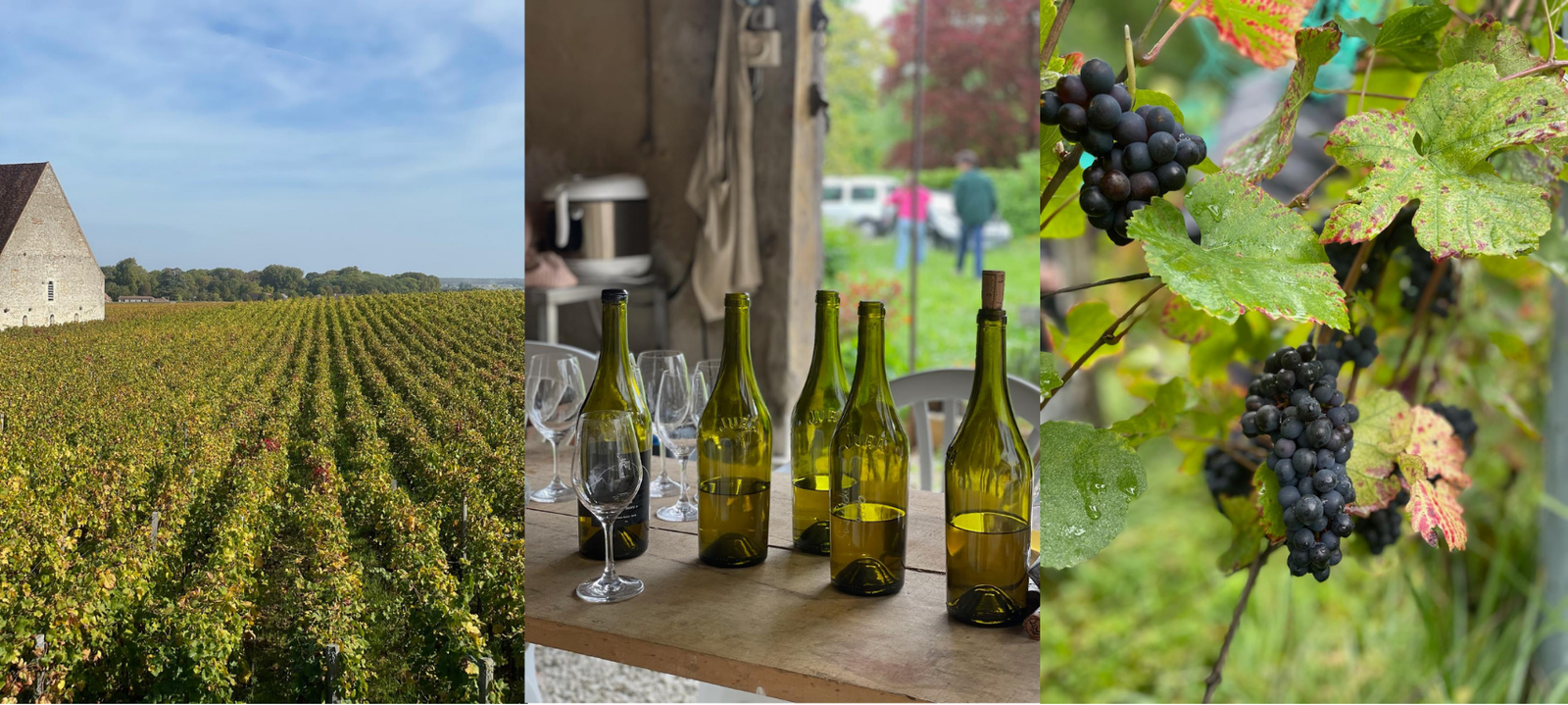
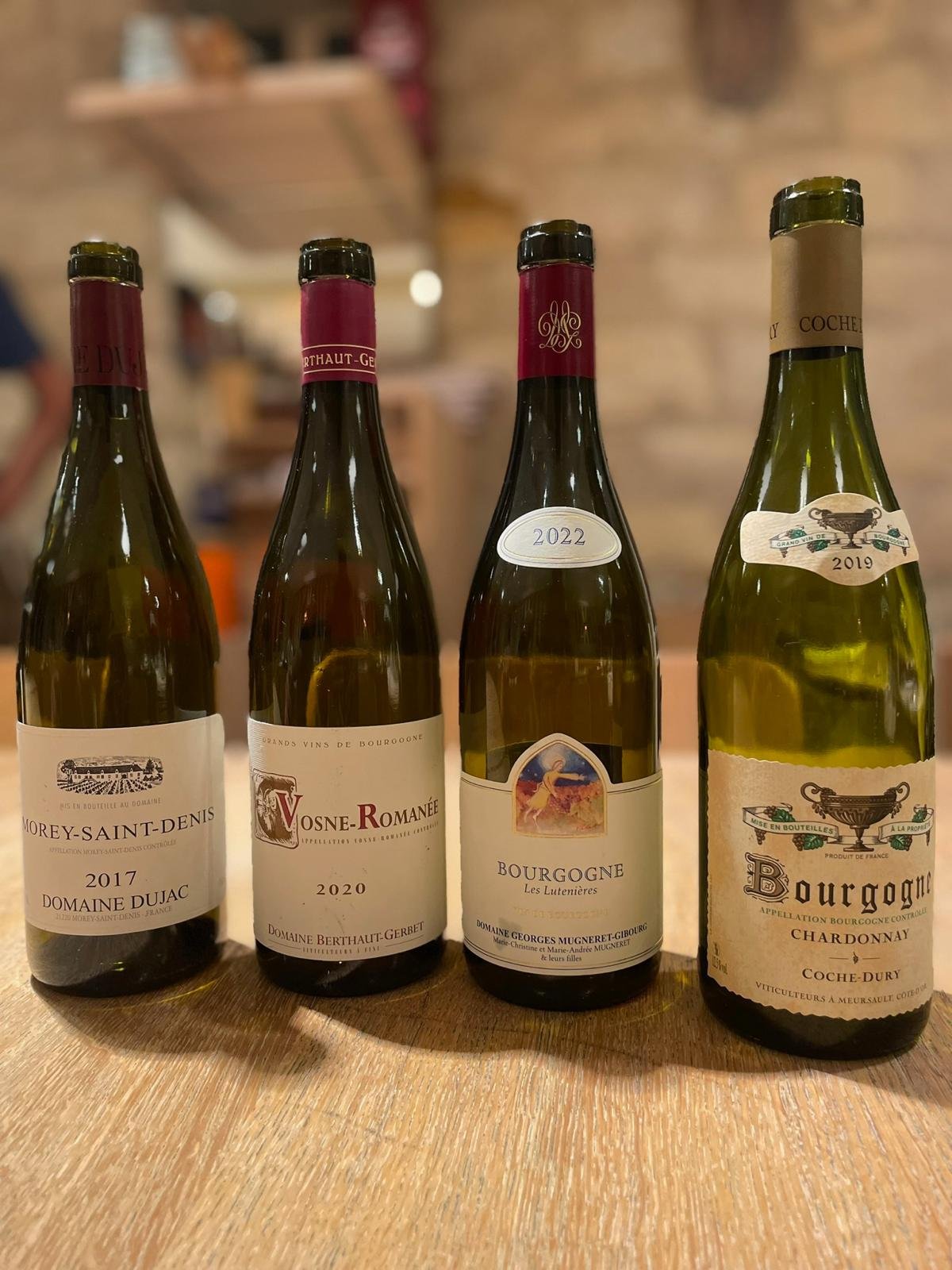
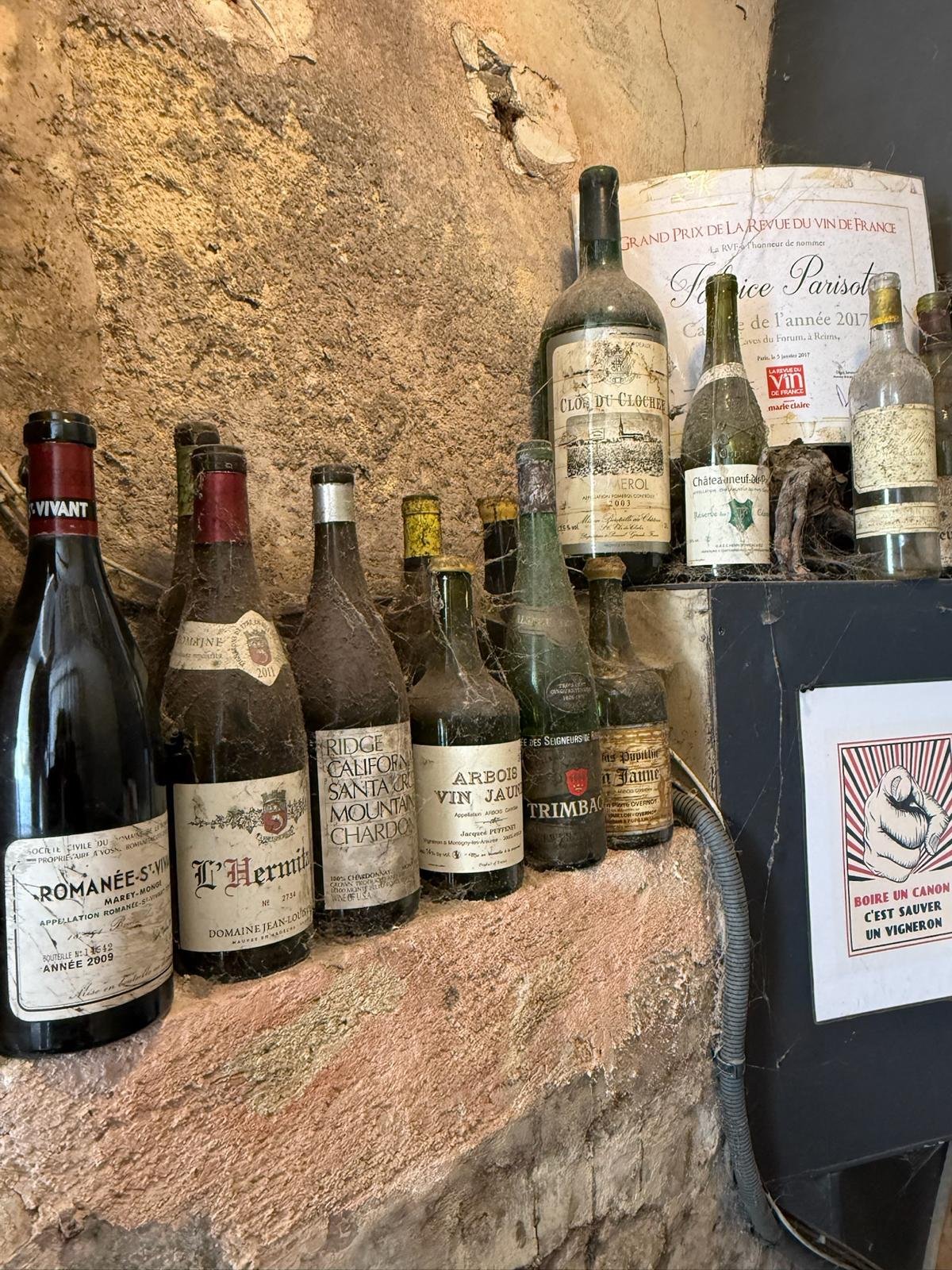
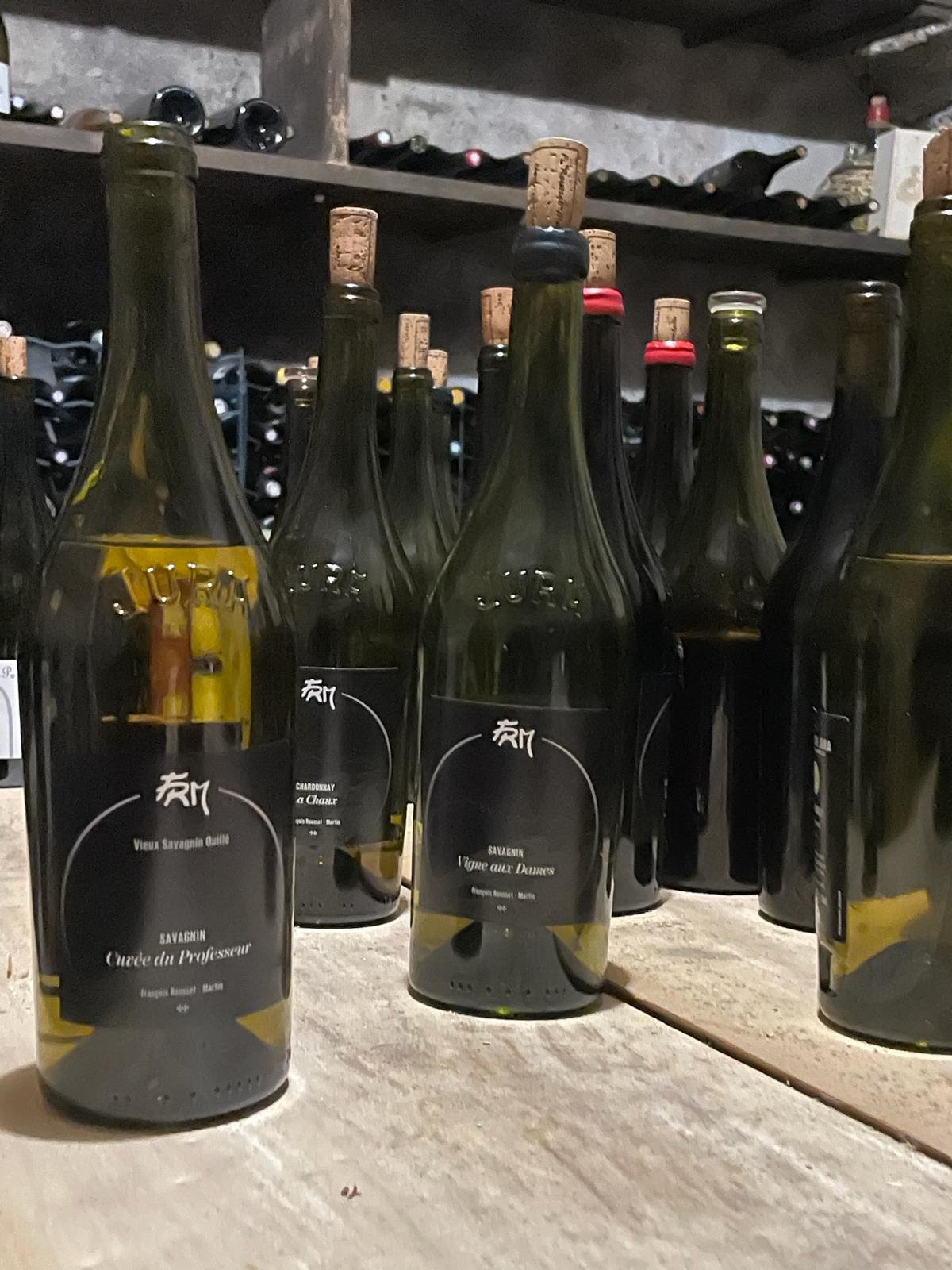
Burgundy, Jura, Piemonte, and Champagne have long held my heart, and I look forward to sharing remarkable producers from these beloved regions with East Africa.
Bringing dynamic winemakers to Africa's emerging markets
OUR STORY
Crus & Amala was founded on a deep belief in wine as a connector - between people, places, and stories.
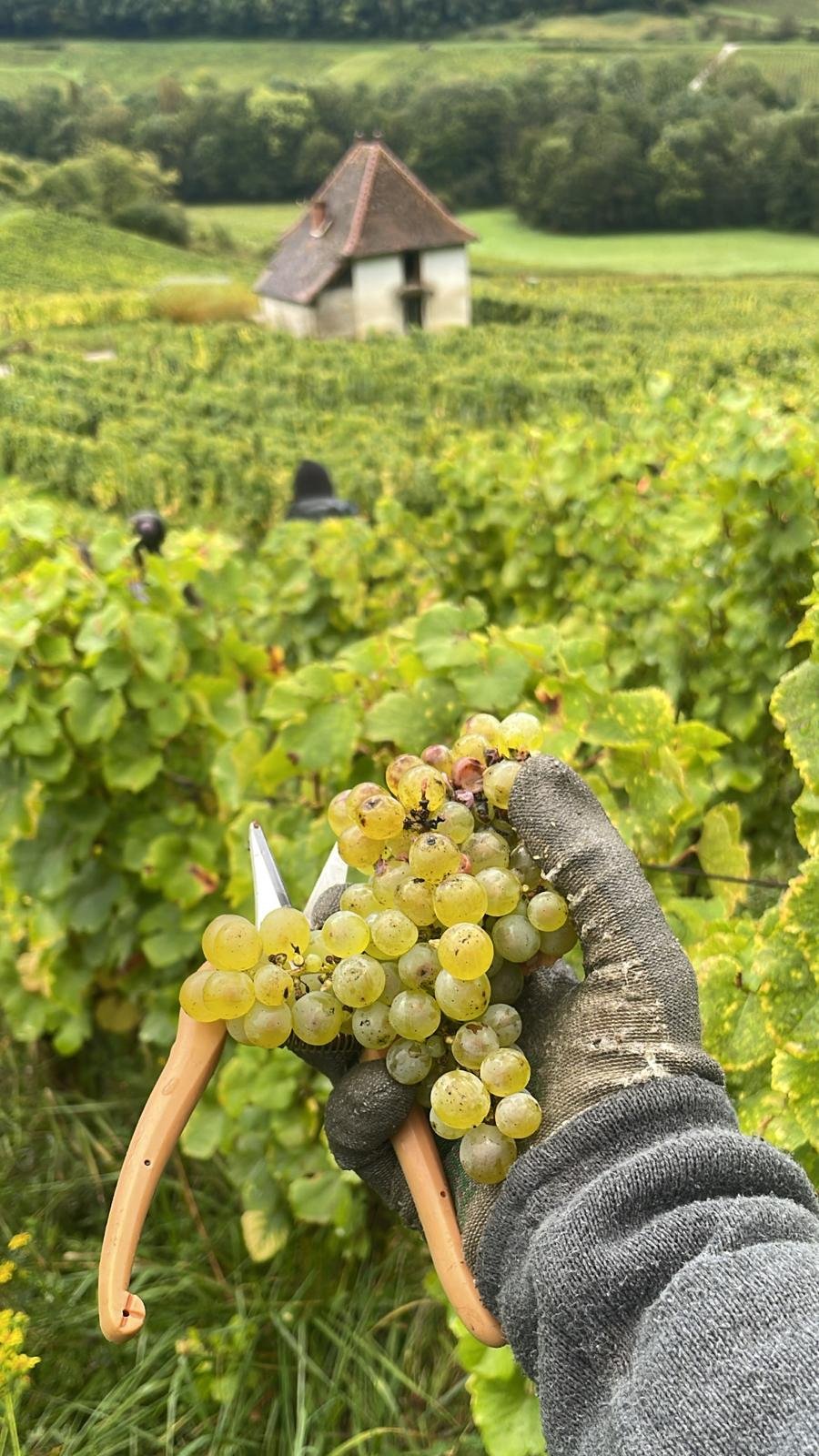
At its heart is Aline Rudasingwa, a classically trained sommelier with roots in Rwanda and a home in Canada. Her journey through wine has been shaped by both rigorous study and hands-on experience, from formal certifications to harvest work across Europe.
With Crus & Amala, Aline brings together technical expertise and genuine intention, building an import and distribution business grounded in integrity, relationships, and cultural exchange. Each wine in the portfolio is chosen with care, reflecting a commitment to terroir-driven, thoughtfully made wines and the people behind them.
We believe wine is at its best when it is shared - not just poured. Whether you are at the beginning of your wine journey or seeking deeper layers of understanding, we invite you to explore alongside us.
Who we're
I was born in Rwanda and moved to Canada with my father after the genocide,
spending over twenty years there. Canada shaped me just as much as Rwanda did,
and over the years I’ve also built a life across Europe and North America. I’m not
always sure where “home” is anymore – these days, home is people. It’s wherever I
feel calm and safe, and those people now live across all three continents.
I spent 16 years in hospitality, with the last decade focused on fine dining and wine at
a much deeper, more serious level. That’s where everything really clicked for me –
where wine shifted from something I served to something I studied, pursued, and
eventually built a career around. Those years formed the foundation for Crus &
Amala: the discipline of service, the curiosity of tasting rooms, the rigor of
certifications, and the humanity you learn from working with people every single day.
And of course, the winemakers – the rigorous, values-driven producers whose wines
have moved & inspired me. People who farm with integrity, respect their land, and
create wines that feel alive with purpose. They shaped my palate, my philosophy, and
ultimately, the vision for Crus & Amala.
Three years ago, I started building Crus & Amala, and we officially launched recently
with distribution underway and an operations partner on board. Africa is ready – more
than ready – and I want to be part of this moment. Returning has been a culture shock,
but also a homecoming. Crus & Amala is my bridge between the places that formed
me and the future I want to help shape.
When I arrived in Kenya, I found a vibrant, modern hospitality scene – but the wine
programs hadn’t evolved at the same pace. There was plenty of commercial wine, but
very little that spoke to place, philosophy, or farming practices. Almost no biodynamic
or truly terroir-driven producers were represented. And yet the demand was
unmistakable: Nairobi’s expanding luxury hospitality sector, a growing urban middle
class, and the rise of wine education and tastings all pointed to a market ready for
more.
The real issue wasn’t interest – it was access.
I spent the last three years studying menus, reaching out to people, talking to friends
who had moved back home to East Africa. They were thriving; times were changing;
people were paying attention. It made me realize that I wanted to contribute in some
small way, in a field where I feel deeply comfortable. Research helped, but nothing
compared to being here. This year alone, I traveled to East Africa four times,
searching for strategic partners. I failed a few times, had to start again, and kept
going.
Kenya is a strategic launch pad for the continent, and it’s where I chose to establish
our Africa headquarters. The world is paying attention to Africa. It took me a little
longer to make my way back, but I believe in the timing of things.
Launching Crus & Amala now aligns perfectly with where the culture is already
moving – and I’m committed to being part of that shift.
Access shapes taste, and taste shapes culture. For years, many African markets only
had commercial wines – not because that’s what people preferred, but because that’s
what was available. Now incomes are rising, cities are expanding, and hospitality is
becoming more ambitious. People want wines with intention, identity, and a story.
Africa’s wine market reflects that shift. It was valued at about US$7.7 billion in 2024
and is growing at double-digit rates. The premium imported segment – where Crus &
Amala operates – is still small at 8–10%, but it’s expected to double by 2030 as
consumers move away from mass-market options toward thoughtfully sourced wines.
You can already feel this change in Nairobi: luxury hospitality is expanding, the urban
middle class is growing, and wine education and tastings are on the rise. The
curiosity is there.
Over the next decade, access to terroir-driven, biodynamic wines will elevate dining
culture across the continent. It will push restaurants to build stronger wine programs,
expand palates, and create a new appreciation for craftsmanship and storytelling.
Crus & Amala is stepping into that moment – helping shape a future where African
consumers have the same access to thoughtful, world-class wines as anyone else.
Kenya is my launch pad because it offers both opportunity and challenge. It’s a
fast-evolving market with a growing hospitality sector, but it’s also a place where
infrastructure, supply chains, and consumer access are still developing. In many
ways, it feels like a blank canvas – full of potential but requiring patience, resilience,
and constant problem-solving. Building here forces us to be agile, creative, and very
intentional, which ultimately strengthens the business.
Markets like Côte d’Ivoire and South Africa fit into our long-term strategy in a different
way. These are more mature wine markets with consumers who are already
knowledgeable, engaged, and comfortable with premium and terroir-driven wines.
They understand value, they recognize craft, and they’re willing to invest in quality.
From a business standpoint, these markets provide clearer pathways to scale, more
established distribution networks, and a higher baseline of wine literacy.
Twofold strategy:
● Kenya is where we build the brand, refine our model, and meet the challenges
that will shape our operational strength.
● Côte d’Ivoire and South Africa are expansion markets that allow us to grow
faster, plug into established consumer behaviors, and diversify our revenue
streams.
● Each market plays a distinct role, and navigating their differences – Kenya’s
complexity and Côte d’Ivoire/South Africa’s maturity – central to how Crus &
Amala will scale across the continent
Education starts with access. For a long time, consumers across Africa haven’t had
consistent exposure to thoughtfully made wines, so part of my role is simply opening
the door. I’m privileged to have strong connections and access in the wine world, and
I want to use that to bring in wines that feel approachable, not intimidating.
Our portfolio is intentionally built with entry-level, well-made, terroir-respectful wines
at accessible price points – because that’s how you grow a market. From bright
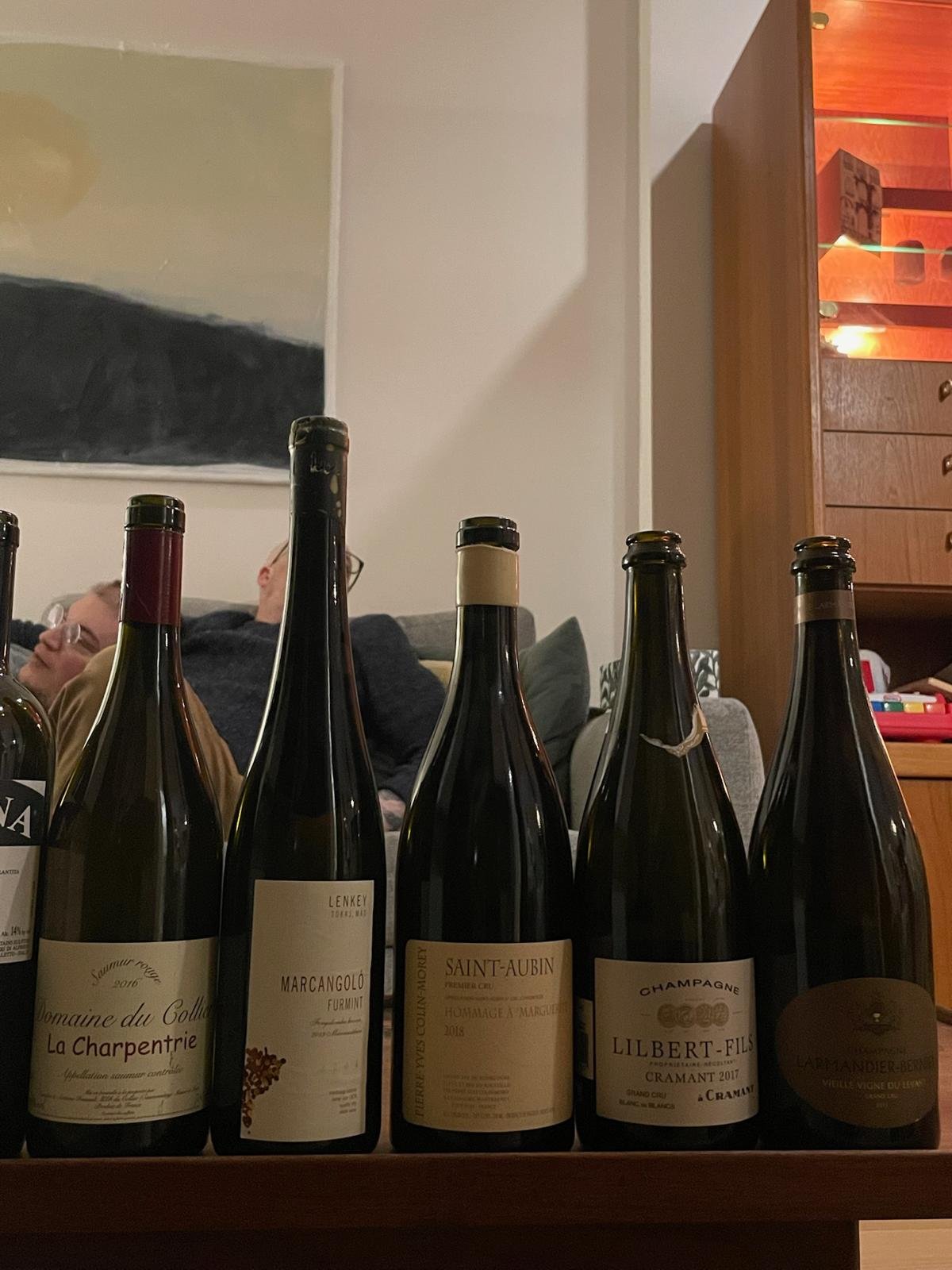
German whites to food-friendly Piemonte reds, high-altitude Alpine wines,
Burgundy-inspired elegance, and even grower Champagne, there’s something for
everyone. The focus is on clarity, purity, and craftsmanship, not complexity for
complexity’s sake.
A small percentage of our portfolio leans into premium wines, but the real goal is to
normalize quality – wines that are honest, transparent, and expressive without being
out of reach.
For hospitality teams, the education will be hands-on: curated tastings, simplified
training tools, and storytelling that connects farming practices to flavor. When people
understand why a wine tastes the way it does, biodynamic and terroir-driven styles
stop feeling niche and start feeling exciting.
My approach is simple:
Make great wine accessible, make education welcoming, and let curiosity do the rest.
Building a wine import and distribution company in Africa requires both vision and
realism. The financial demands are significant. Taxes are high, and
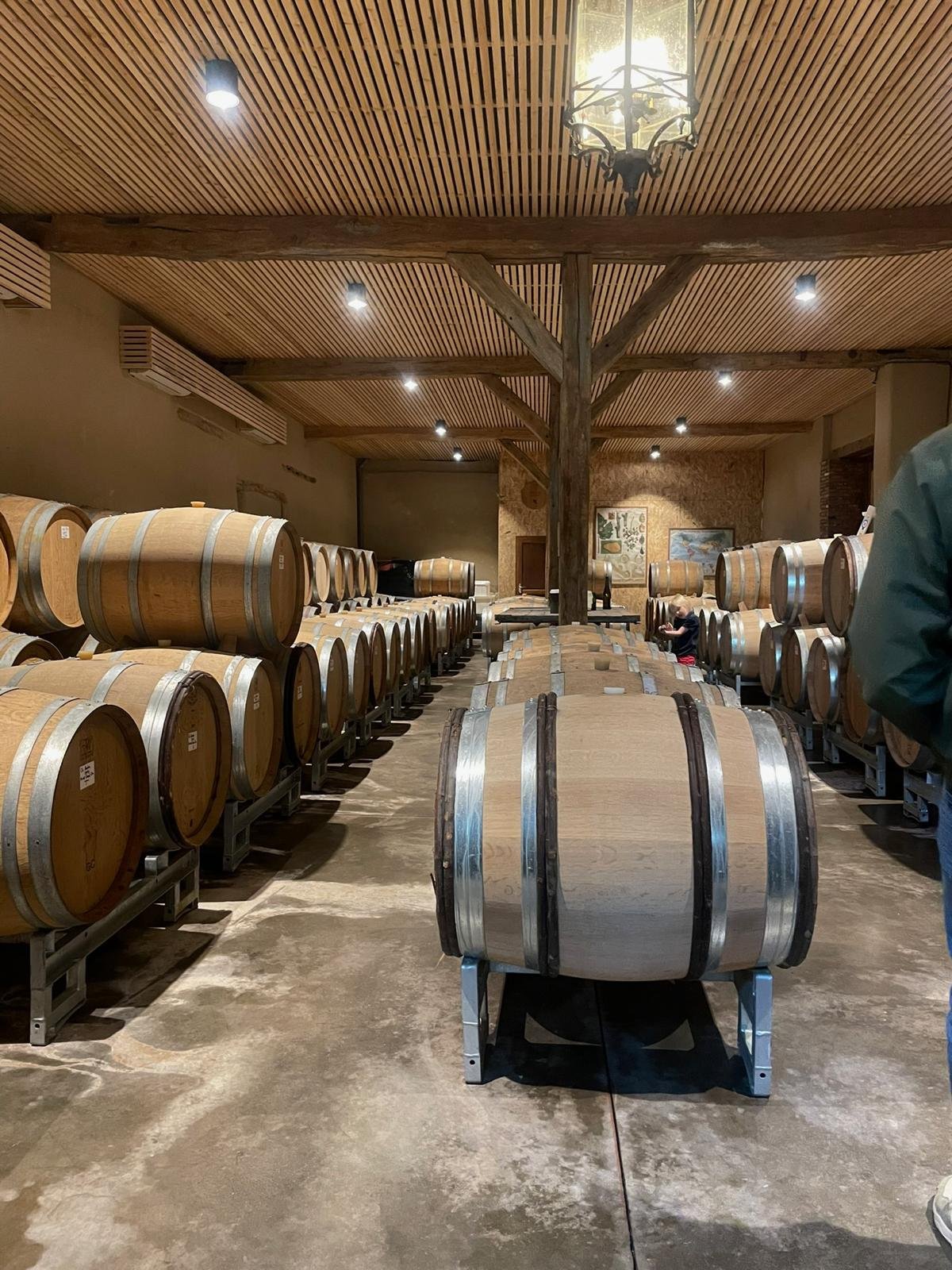
temperature-controlled containers are essential if you want to preserve the integrity of
the wines. Logistics can be unpredictable, and every shipment requires substantial
upfront capital long before a bottle ever reaches a shelf or a wine list.
Beyond that, we’re investing in the fundamentals:
Distribution infrastructure, portfolio launches, and a team on the ground to support
markets like Kenya, Côte d’Ivoire, and eventually South Africa. These are heavy lifts,
but they’re necessary to build something sustainable rather than transactional.
I’ll be honest – this is bigger than I expected when I started. I may have aimed high,
but at this point I can’t turn back, and I don’t want to. The market signals are clear.
Demand is growing, consumers are becoming more discerning, and there is a real
gap for thoughtfully sourced, terroir-driven wines presented with cultural respect.
Someone has to build the bridge, and I’m committed to doing that work.
What potential supporters should know is this:
Crus & Amala is not just a wine company. It’s logistics, it’s education, it’s hospitality,
and it’s cultural storytelling – combined. The financial reality is intense, but the
long-term opportunity is extraordinary.
The right partners will understand that we’re building something meaningful and
scalable, something that contributes to how Africa engages with wine for the next
decade. And I trust that those partners will come in due time.
Our GalaBid campaign is about unlocking the infrastructure we need to scale Crus &
Amala across Africa. The funds directly support five essential capabilities:
1. Temperature-controlled logistics.
To import and protect high-quality wine, we need reliable, climate-safe containers and
storage. This is one of our biggest costs – and one of the most critical.
2. Expanded distribution.
The capital allows us to deepen our presence in Kenya and enter markets like Côte
d’Ivoire with real traction and regulatory readiness.
3. A full portfolio launch.
From import duties to marketing and wine education, the funds let us introduce a
diverse, terroir-driven portfolio at accessible price points.
4. A team on the ground.
We need local operations, sales support, and hospitality training to represent our
producers properly and grow sustainably.
5. Early experiential programming.
This is the first step toward future Crus & Amala hubs – spaces for tastings, learning,
and community.
In short, the campaign takes us from a promising concept to a fully operational,
continent-ready import and distribution company. It gives us the tools, the reach, and
the stability to meet the demand we already see across Africa.
Beyond capital, what will truly move Crus & Amala forward are hospitality partners
who want to elevate wine programs across the continent—groups committed to
thoughtful sourcing, strong training, and building guest experiences that reflect
Africa’s rapidly evolving dining landscape. Mentorship around logistics, regulation,
and distribution would also make a meaningful difference as we grow across multiple
markets.
I was lucky enough to be welcomed into the village of Morey Saint-Denis by Jeremy
Seysses, an experience that shaped how I understand hospitality, generosity, and
terroir. This is where Crus & Amala truly began – a particularly difficult vintage and a
challenging day in the winery that I will never forget. “Difficult” would be an
understatement, but it changed my life.
I also want to acknowledge the work happening in the broader wine community –
Jeremy & The Roots Fund, and Milena and the Hautes Côtes team, who continue to
push for access, diversity, and real pathways for people of color in the wine world.
Their mission inspires me and reflects the kind of progress I hope to champion
through Crus & Amala.
And then there’s the community that carried me – my Paris, Sancerre, Montreal,
Arizona, and London family; the winemakers who opened their homes, cellars, and
hearts; the friends, collaborators, mentors, early believers; and the close friends who
invested in this journey when I needed it most. This has been a laborious labor of
love, and I am genuinely the luckiest.
My call to action is simple:
If you’re a hospitality group, a mentor, a distributor, or someone who believes in the
future of Africa’s wine culture – I’d love to build with you. This vision is bigger than
me, and it will take a community to bring it to life.